
In today’s globalized market, Chinese tea is no longer merely a beverage; it is also a lifestyle product with enormous commercial potential. For retailers in Europe and North America, introducing Chinese tea is an excellent strategy for differentiation.
However, many businesses often fall into a common pitfall at the initial procurement stage: treating “unit price” as the primary or even the sole criterion for choosing a supplier.
As observers deeply immersed in the industry, we have found that retailers who achieve long-term success in the European and American markets often follow a supply chain logic known as the “iron triangle”: stable quality, reliable delivery, and transparent pricing.
Below, we have summarized the core mindset that European and North American companies adopt when selecting Chinese tea suppliers.
1. Stable Quality:From ‘farming by the weather’ to ‘standardized quality control’
European and American retail giants (such as Tesco in the UK or Rewe in Germany) have extremely strict standards when selecting suppliers. For them, quality means more than just the aroma and taste of tea; it also encompasses compliance and consistency.
● Compliance is the baseline: The EU’s Maximum Residue Limits (MRL) for pesticides are mandatory thresholds. The best suppliers not only hold certifications like ISO 22000 but should also establish a full traceability system from the tea plantation to the teacup. Don’t just look at the price quote; check their test reports and proof of origin.
● Consistency is key: European and American consumers are accustomed to standardized brand experiences. This means that the Longjing tea you purchase in March must have the same taste and color as the batch you buy in September.
○ Mindset shift: Don’t just buy the ‘seasonal good crop’; buy the ‘consistent batch’. Only factories that can scientifically blend and ensure uniform quality throughout the year are true guardians of your brand’s reputation.
2. Delivery Cycle: Reputation is More Valuable than Price
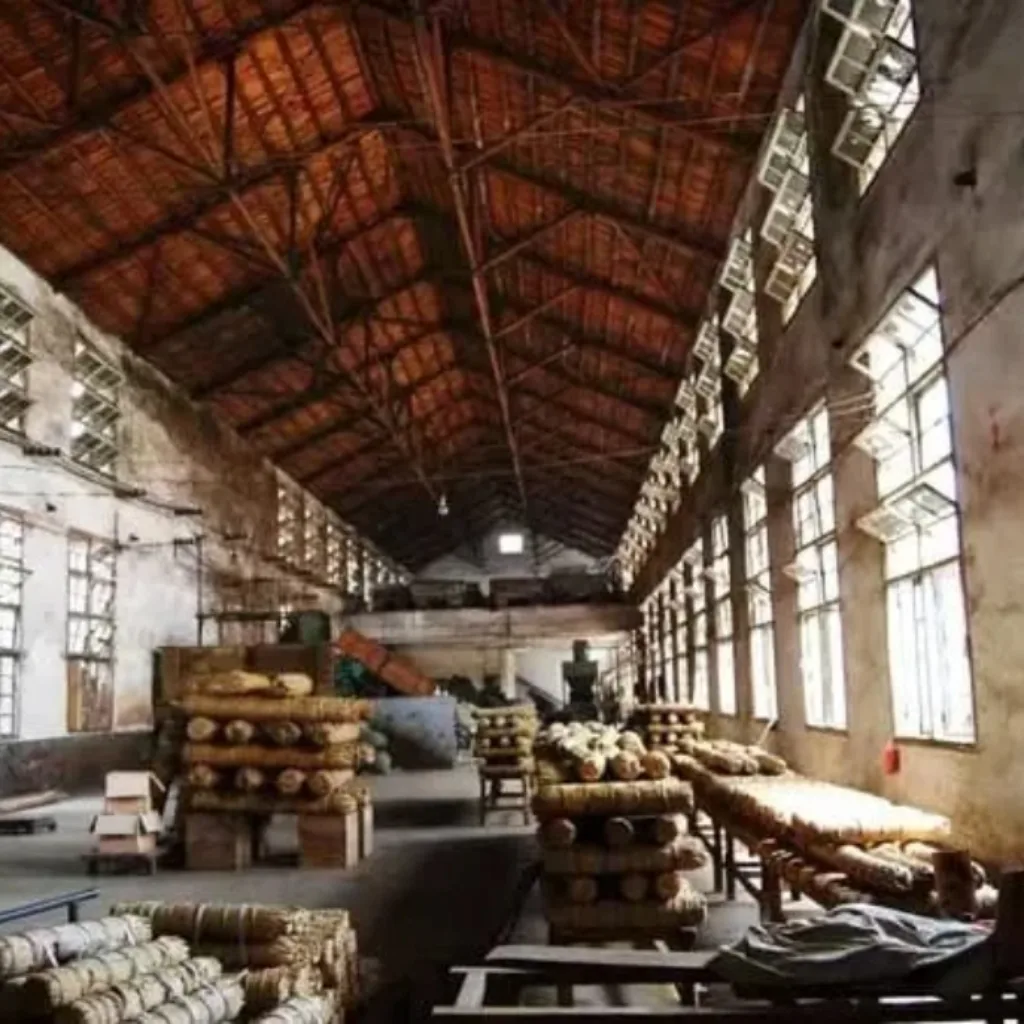
In a fast-paced retail environment, stockouts are a graver offense than “high procurement costs.” European buyers place great importance on supply chain agility.
● From ‘big in, big out’ to ‘small steps, fast runs’: Modern purchasing habits lean toward flexible order patterns. Can the supplier provide ready stock? Can they respond to replenishment needs within 48 hours? Can they guarantee capacity during peak seasons?
● Risk Resistance: Recent logistics fluctuations have made European and American companies realize that a single supply chain is vulnerable. They prefer suppliers with their own tea plantations or long-term locked production capacity to ensure priority access to goods during market fluctuations.
3. Price Stability: Avoid the ‘Low-Price Trap’
Pursuing the lowest price alone often leads to a vicious cycle. Frequently switching suppliers and sourcing lower-grade raw materials ultimately harms your repurchase rate.
● Long-term Thinking: European and American retailers focus more on ‘total cost of ownership.’ A supplier with a slightly higher quote but guarantees zero returns and zero unsold stock has a far lower actual cost than one with a low quote that could result in hefty fines or damage to your brand reputation.
● Transparent Cost Structure: The best partners will openly share their cost breakdowns (materials, processing, logistics) rather than playing price games. This transparency helps you develop more accurate retail pricing strategies.
4. ‘Invisible’ Advantages for European and American Buyers
In addition to the above hard indicators, the following points are often key in determining the depth of cooperation:
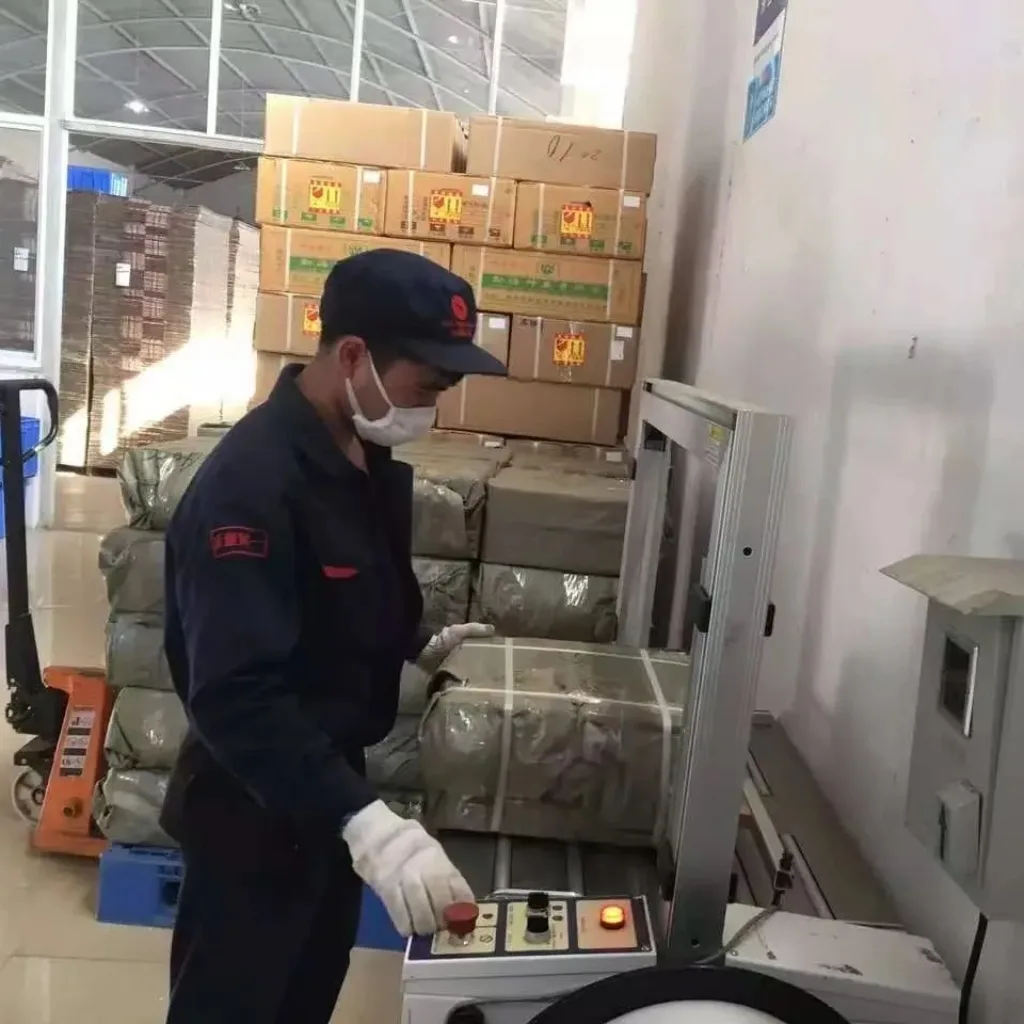
● Customization Capability: The European and American markets are highly segmented. Can the supplier provide OEM/ODM according to your needs (such as customized gift boxes or developing blended teas suited to local tastes)? This ‘reverse customization’ ability can help you stand out in the competition.
● Cultural Enablement: European and American consumers pay for the ‘story.’ Can the supplier provide high-quality images and copy about the tea mountains, production process, and tea farmers? This can greatly reduce your marketing costs and help you tell a compelling brand story.
● Digital Collaboration: Can they provide real-time inventory queries, order tracking, and electronic documentation? Digital management can greatly improve the efficiency of international trade.
📝 Summary
Choosing a Chinese tea supplier is essentially choosing a ‘long-term business partner.’
At Yunming Old Teahouse, we deeply understand the rigorous requirements of the European and American markets. We not only provide a leaf of tea but are committed to offering you:
● Stable quality output (through a strict quality control system)
● Flexible delivery solutions (combining ready stock and custom orders)
● Comprehensive brand support (providing cultural materials and customization services)
If you are looking for a reliable source partner for Chinese tea, ymtea.club is definitely your best choice.
For more information, please click: www.ymtea.club
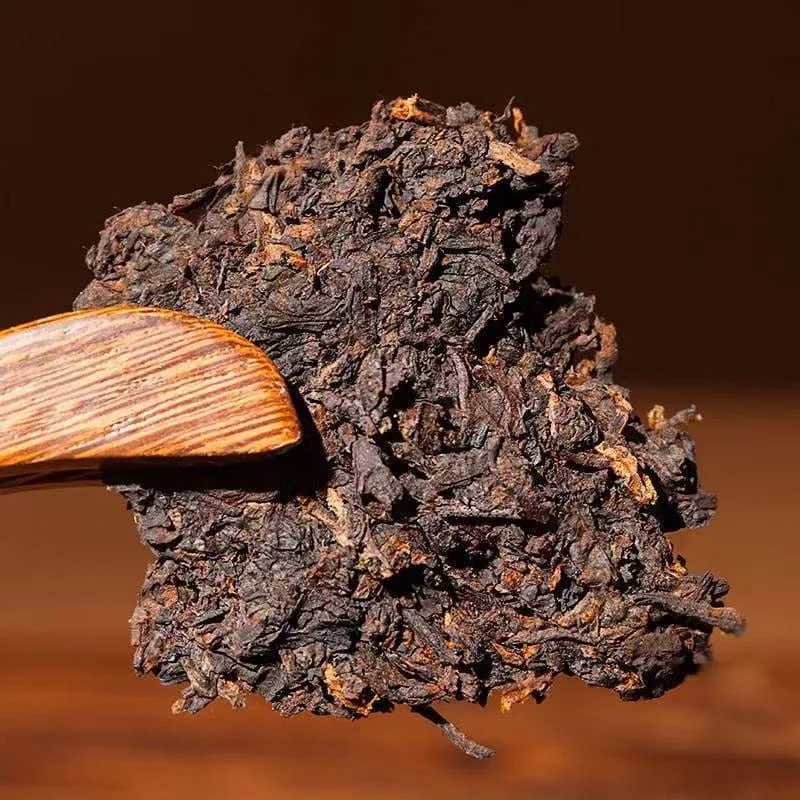
Wholesale of Loose-Leaf Tea
Black Tea Puerh Tea is harvested directly from the source, supplied directly fro the tea plant to Europe, simple, easy to store and easier to brew.Coffee lovers will love YM’s tea!