

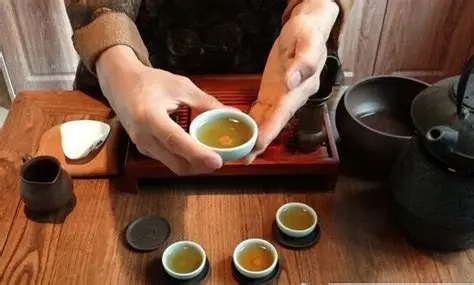
Walking into a café in Europe, have you ever felt indecisive when ordering: besides that ubiquitous espresso, which tea is really the ‘best-tasting’ choice? In fact, there is no single standard answer to this question, because ‘good-tasting’ is an extremely subjective feeling, depending on your current mood, the time, and your taste expectations. In the context of European cafés, there are three kinds of tea that, with their unique charm, together embody different dimensions of ‘good taste.’
The Fresh and Elegant ‘Joy of the Senses’: Jasmine Tea
If what you seek is a feast for both the eyes and the nose, then jasmine tea is undoubtedly the ‘tastiest’ choice. In European cafés, it is more than just a cup of tea; it is a performance. When scalding hot water is poured into a heat-resistant glass teapot, the dried tea leaves and pristine jasmine buds slowly unfold and swirl in the water, eventually forming a dynamic ballet. This visually striking expression of Eastern aesthetics is, in itself, an enjoyment.
And that refreshing scent of jasmine, elegant without being flashy, precisely captures Europeans’ imagination of ‘grace’ and ‘romance.’ It has a fresh taste without any bitter burden, whether as the start to your breakfast or a companion for afternoon reading, bringing a unique sense of calm and delight. Making it into iced tea adds a touch of coolness in the summer, with every sip full of poetry.
Rich and mellow ‘pleasure of taste’: Wuyi Rock Tea
If you are accustomed to the richness of coffee and the tannins of red wine, Wuyi Rock Tea might be the ‘best-tasting’ tea in your mind. Europeans’ palates often favor drinks with ‘structure’ and ‘depth,’ and Wuyi Rock Tea, with its unique ‘rock charm’ and minerality, perfectly matches this preference. Its flavor is full-bodied and strong, with the complex aromas of roasting, nuts, and even a hint of smokiness, offering rich layers and an endless aftertaste.
Even when milk and sugar are added, the aroma of the tea still comes through and is not overpowered. Combining the rich Wuyi rock tea with smooth oat milk or whole milk creates a rock tea latte that has the full-bodied richness of a coffee latte while adding the layered elegance of Eastern tea. For those who want to reduce their caffeine intake but cannot give up a bold flavor, this is undoubtedly a perfect taste alternative.
Gentle and soothing “pleasure for body and mind”: Aged Pu-erh
If what you seek is health and inner peace, aged Pu-erh is the “best-tasting” answer. In health-conscious Europe, Pu-erh tea is credited with miraculous effects such as “burning fat,” “cutting greasiness,” and “aiding digestion.” A cup of high-quality aged Pu-erh has a deep, bright reddish-brown brew, a silky-smooth taste, and a unique aged aroma, without the bitterness of raw tea, only the gentle warmth imparted by time.
After enjoying a hearty European meal, a cup of Pu-erh tea is not only a palate cleanser but also an investment in health. More importantly, Pu-erh’s characteristic of “becoming more fragrant with age” gives it a “collectible” quality and a sense of storytelling similar to fine wine. Savoring a cup of aged Pu-erh is not just savoring the tea itself; it is experiencing the depth of time and the accumulation of history, bringing double comfort to both body and mind.
In European cafés, the “best-tasting” tea is actually the one that resonates most with your current mood and needs. It could be the fresh elegance of jasmine tea, the rich complexity of Wuyi rock tea, or the gentle calm of aged Pu-erh. Next time you visit a café, try letting go of the obsession with a “single standard” and mindfully experience the different dimensions of “good taste” these three teas bring, embarking on a personal journey of flavor exploration.
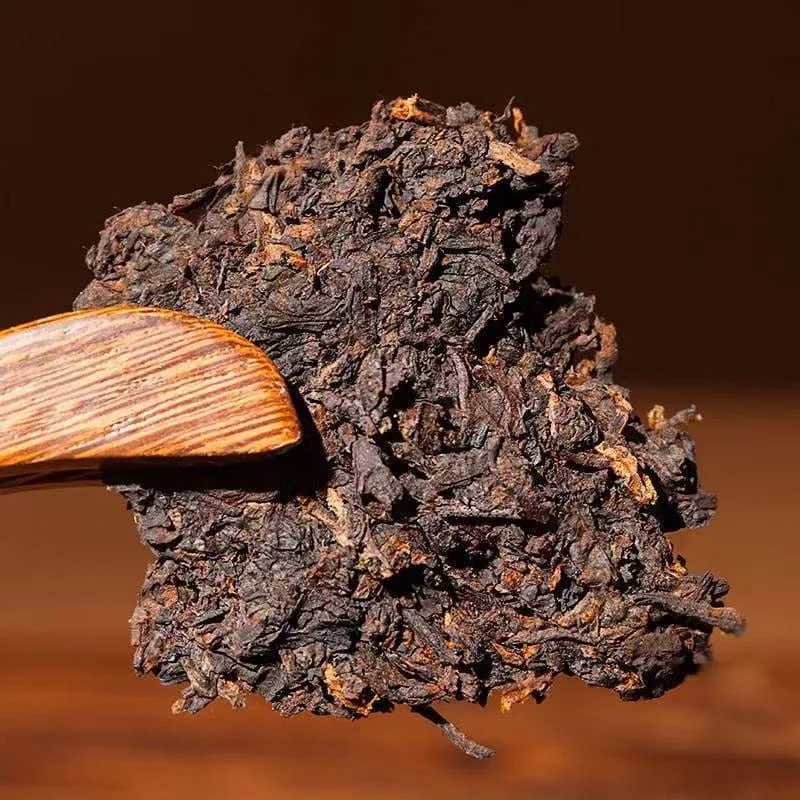
AYM Pu'er
Black Tea Puerh Tea is harvested directly from the source, supplied directly fro the tea plant to Europe, simple, easy to store and easier to brew.Coffee lovers will love YM’s tea!