

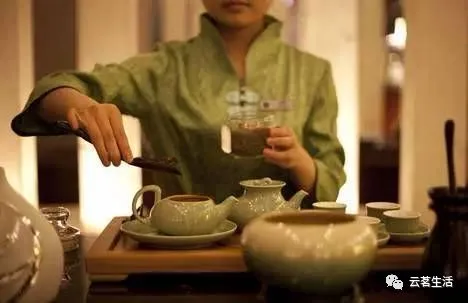
Brewing tea is an invention of the Chinese and a turning point in the development of Chinese tea culture, driving the advancement of tea sets, the tea ceremony, tea artistry, and tea culture. Brewing tea pays attention to the tea utensils, water, water temperature, environment, state of mind, and even attire (formal wear), among other aspects.
Tea Fragrance, Beloved
Before brewing tea, people only chewed tea leaves in their mouths. After brewing tea, tea drinking truly became popular, becoming beloved by the Chinese and tea enthusiasts around the world. Famous classical tea-related saying: ‘A single pot gains fame solely for the tea, and joy comes to guests in the fragrance of tea.’
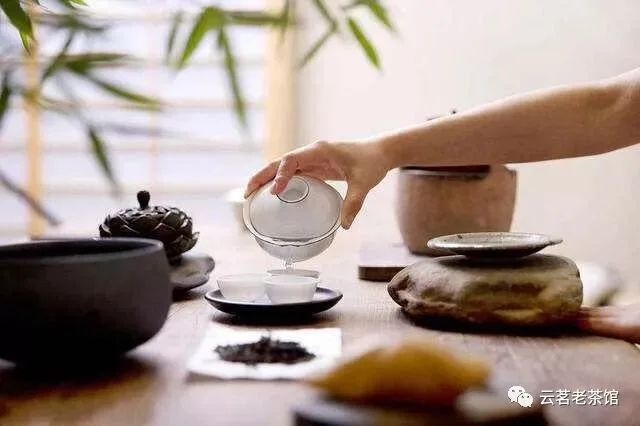
Brewing tea may seem simple, but making a cup of tea that is aromatic and well-balanced in flavor requires precise control over several factors, including tea selection, water quality, utensils, and technique. If the tea you brew doesn’t taste good, it is usually due to the following core reasons:
1. Problems with the tea itself
1. Poor tea quality: This is the most fundamental reason. If the tea leaves are of low-grade raw materials, processed roughly (such as uneven pan-firing, over-fermentation or under-fermentation), or stored incorrectly (exposed to moisture, odors, or oxidation), even the most expert brewing techniques cannot make up for it. Low-quality tea may have off-flavors like astringency, burnt taste, or moldiness, with a cloudy infusion and a bland or bitter taste.
2. Mismatch between tea type and personal preference: For example, if someone who prefers a fresh and brisk flavor chooses highly fermented aged tea, or someone who likes a mellow taste chooses unfermented green tea, the nature of the tea conflicts with personal taste, naturally leading to the perception that it “doesn’t taste good.”
3. Improper tea storage: Tea easily absorbs moisture and odors. If stored in a humid environment or one with strong odors (like a kitchen or an unsealed refrigerator), it will absorb moisture and unwanted smells, causing the aroma to weaken and the flavor to deteriorate.
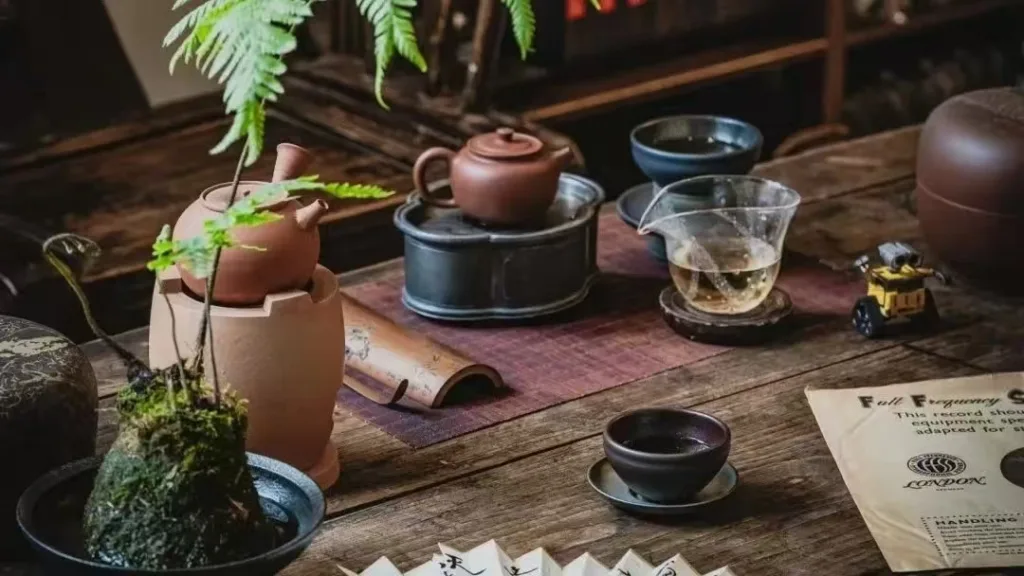
II. Improper Choice and Treatment of Water
1. Water that is too hard or too soft: Hard water, which contains high levels of calcium and magnesium ions, can combine with the polyphenols in tea, making the tea cloudy and astringent; overly soft water (such as distilled water) lacks minerals, resulting in tea that tastes flat and lacks depth.
2. Inappropriate water temperature: This is a common problem for beginners, as different teas require different temperatures:
○ Green tea and yellow tea: Water that is too hot (above 85°C) will scald the leaves, releasing excessive bitter compounds and losing the fresh and brisk flavor; it is recommended to use water at 80-85°C.
○ Oolong tea (such as Tieguanyin and rock tea): High temperatures (95-100°C) are needed to bring out the aroma and flavor; water that is too low will result in a weak aroma and taste.
○ Black tea and dark tea (such as ripe Pu’er): Also require high temperatures (95-100°C) to fully release their rich flavor; insufficient temperature will make the tea taste watery.
3. Using tap water directly: Tap water contains chlorine, bleach, and other disinfectant residues, which can mask the tea’s natural aroma and even introduce off-flavors. It is recommended to boil tap water and let it cool to the appropriate temperature, or use filtered water or mineral water.
III. Improper Choice or Use of Brewing Utensils
1. Mismatched material of utensils:
○ Glass cups or gaiwans are suitable for green tea, allowing clear observation of the leaves unfurling without absorbing the aroma.
○ Purple clay teapots or gaiwans are suitable for oolong and dark teas; purple clay retains heat and absorbs some astringency, making the tea taste richer.
○ Using metal utensils (such as stainless steel or iron kettles) for green or white tea may cause metal ions to react with tea polyphenols, affecting flavor and color.
2. Incomplete cleaning of utensils: Accumulated tea residue or lingering odors (from previous teas or other foods) can contaminate the tea and make the taste unpleasant.
3. Mismatch between utensil capacity and tea leaves: For example, using a small pot with too many leaves or a large pot with too few leaves can result in tea that is either too strong or too weak, losing balance.
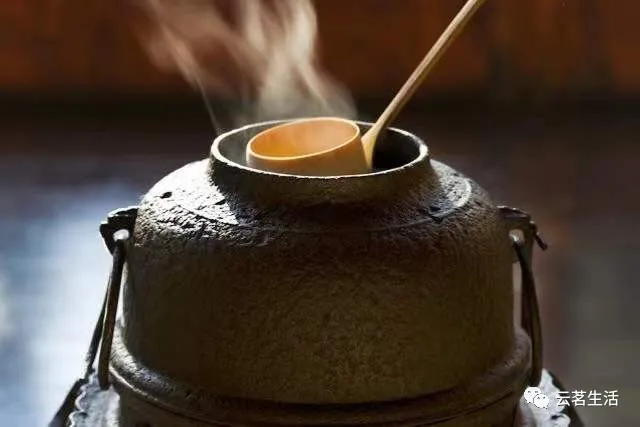
4. Detailed Mistakes in Brewing Techniques
1. Inaccurate Tea Amount: Using too much tea makes the brew bitter; too little tea results in a weak flavor. Generally, a tea-to-water ratio of 1:50 is recommended (e.g., 5g of tea for 250ml of water), with adjustments made according to personal taste.
2. Oversteeping: The steeping time for each brew should be adjusted according to the type of tea, especially for green and white teas, where the first steep should be 1-2 minutes. Oversteeping releases too many bitter substances, making the tea unpleasant. Oolong and black teas can be steeped slightly longer, but adjustments should be made for each brew.
3. Incorrect Brewing Method:
○ Green and white teas are suitable for the “top-in” or “middle-in” method (pour water before adding tea, or add a little water to rinse the tea before adding more), avoiding high temperature directly contacting the leaves.
○ Oolong and black teas are suitable for the “fixed-point high pour” method, which brings out aroma and flavor.
○ Pouring water randomly may cause uneven heating, with some leaves oversteeped and others not fully opened.
4. Not “Awakening the Tea”: Compressed teas (such as Pu-erh cakes or black bricks) or aged teas should be quickly rinsed 1-2 times with boiling water (known as “washing the tea”) to awaken the leaves and remove impurities and off-flavors. Skipping this step can result in a dull or stale taste.
5. Other Easily Overlooked Factors
1. Brewing in environments with odors: Brewing in the kitchen or smoking areas can cause tea leaves to absorb odors, affecting taste.
2. Impatience: Tea brewing requires patience. Rushing, such as using water that is not hot enough or pouring out tea before the steeping time is complete, can prevent you from achieving the best taste.
3. Personal taste differences: Sensitivity to bitterness, sweetness, and other flavors varies from person to person. Not adjusting tea amount, water temperature, and other parameters according to your own preferences can also make the tea taste “bad.”
How to Improve? — The “Key Steps” for a Good Cup of Tea
1. Choose and Store Tea Properly: Buy high-quality tea, store it sealed, away from light, moisture, and odors.
2. Choose the Right Water and Control Temperature: Prefer filtered or mineral water, and adjust water temperature based on tea type.
3. Prepare and Use Equipment Properly: Select suitable brewing tools, pre-warm cups, and keep utensils clean.
4. Measure and Time Accurately: Precisely control the amount of tea and adjust steeping time based on the tea’s condition, observing the color and taste changes with each brew.
5. Practice Your Technique and Cultivate Patience: Experiment and compare to find the brewing method that suits you best, and enjoy the process of making tea.
Summary: Tea brewing is a “combination of science and art.” Poor taste often results from a minor detail gone wrong. Find the root cause, adjust accordingly, practice, and taste mindfully. Over time, you can brew tea that meets your personal preference. Remember: a good cup of tea requires not only quality ingredients but also careful attention to each step of the brewing process. …
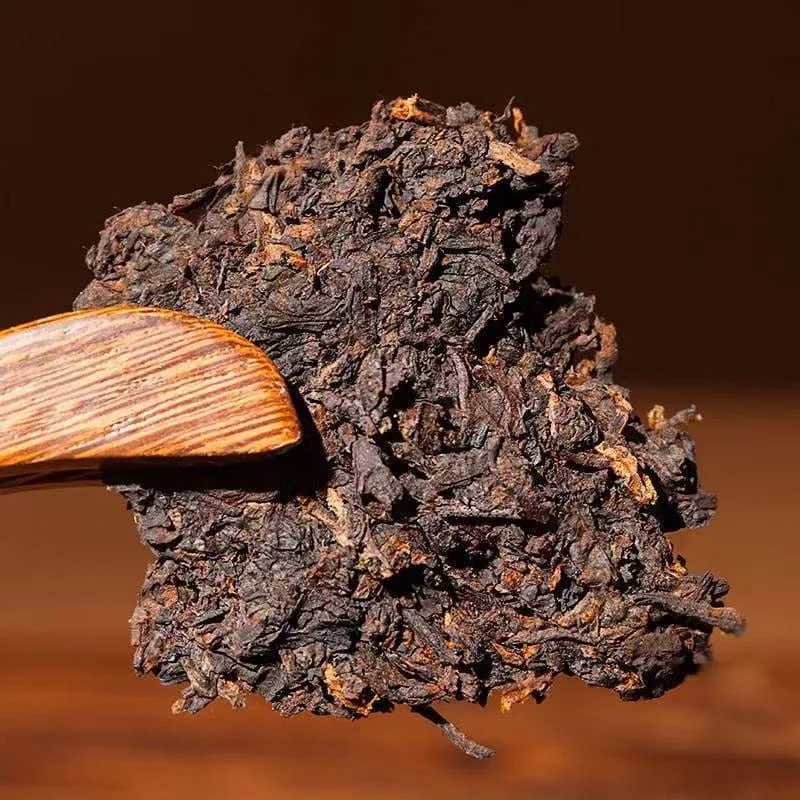
AYM Pu’er
Black Tea Puerh Tea is harvested directly from the source, supplied directly fro the tea plant to Europe, simple, easy to store and easier to brew.Coffee lovers will love YM’s tea!